How to Scale Without Losing Control
- Tracey Harris — Founder | BackPack Executive

- Mar 24
- 3 min read
Updated: Mar 28
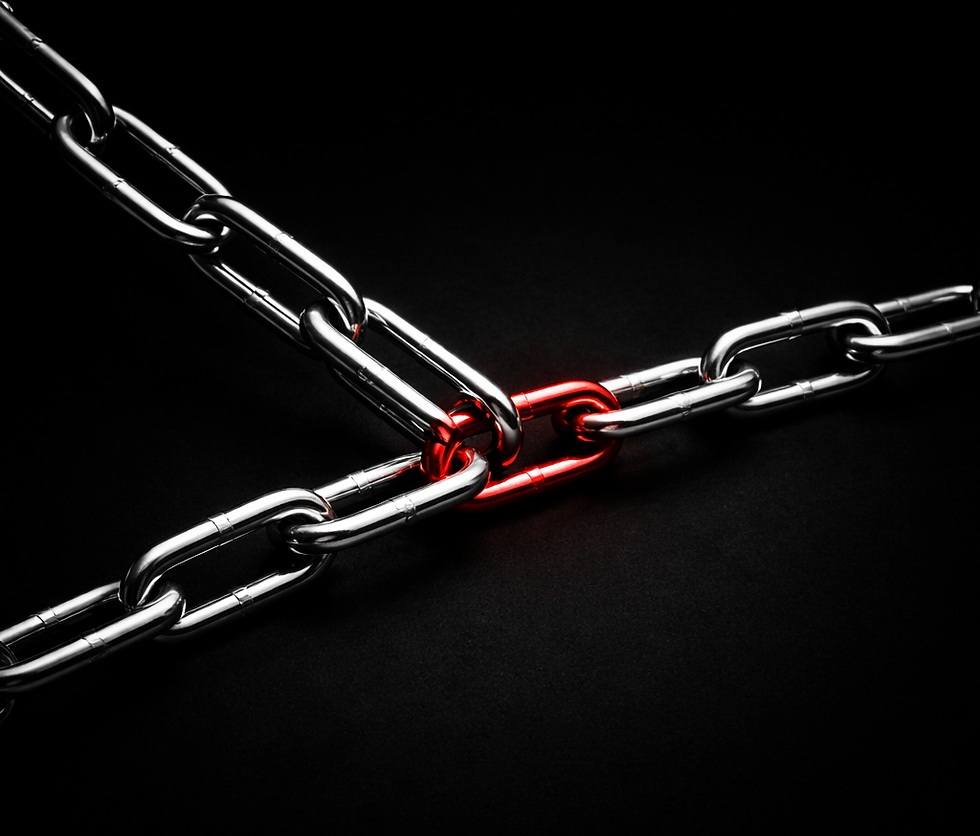
Scale does not create momentum.
Performance and consistency do.
What scale introduces is complexity and gravity.
More people. More decisions. More noise. With it, a gradual decentralisation of control.
Leaders often respond by tightening their grip.
Decisions slow. Execution stops being predictable. Momentum begins to drift.
At scale, how decisions move through the organisation becomes critical to success.
Where they sit. How quickly they happen. Whether they are the right decisions.
Get this right and momentum builds.
Get it wrong and the system slows.
____________________________________________________________________
In the early stages of a company, control works.
You’re close to everything. Decisions are fast. You know what’s going on.
People come to you. You answer. Things move.
Then the business grows.
More people. More decisions. More moving parts.
And at some point, something changes.
You find yourself in meeting after meeting, listening, weighing in and redirecting.
And the questions begin to surface:
“Why does all this keep coming back to me?”
“I have a capable team — why am I still deciding everything?”
“How do I build for the future if I’m constantly pulled back into the present?”
You know this needs to change.
But nothing actually changes.
_____________________________________________________________________
At the same time, your team is feeling it from the other side.
Capable people. Experienced operators.
Waiting to be told. Waiting to be aligned.
Waiting on decisions that should take minutes but take days.
Not because they don’t know what to do.
Because they’re not sure what they’re allowed to do, or what happens if they get it wrong.
So they wait. Then they escalate.
Again. And again.
____________________________________________________________________
From the leader’s seat, the frustration is simple.
The answer is not.
The constraint is not capability. It is how control is designed and experienced day to day.
The system has not been designed to guide decisions.
The thinking has not been transferred.
The boundaries are not clear.
And it is not safe to get it wrong.
So everything flows back to the same place.
Nothing appears broken.
But the way control operates has not evolved.
Control through involvement worked early. It now constrains scale.
You see it in the pattern:
Decisions stack.
Conversations repeat.
Energy drains.
The organisation is busy.
But momentum slows.
And the leader becomes the bottleneck.
Not because they need to be.
Because the system still depends on them.
____________________________________________________________________
At this point, most responses go in the wrong direction — more oversight, more involvement, more control.
An attempt to stay across everything.
But this is not a signal to increase control.
It is a signal to redesign it.
As organisations grow, control cannot stay held.
It has to be built into the system.
This is what I refer to as control architecture.
A way of thinking about how control actually works.
Where decisions sit.
What “good” looks like in practice.
What moves without escalation.
What the leader holds, and what the system carries.
When control is designed well, the shift is immediate.
Decisions move.
Teams act.
Leaders think.
Control is not lost.
It is distributed.
When control remains concentrated, the pattern holds.
Everything routes upward.
Capability sits idle.
Growth feels heavier than it should.
_____________________________________________________________________
This is a control problem.
Not whether it exists.
But how it flows.
Clarity restores the signal.
Neither holds if control still depends on one point.
Growth does not fail because leaders lose control.
It slows because control was never designed to scale.
The question is simple.
Where does control actually sit in your organisation today?
And how much of it still depends on you?
If the answer is too much, you are not just carrying the business.
You are holding it back.
Until that changes, growth will continue to feel heavier than it should.

